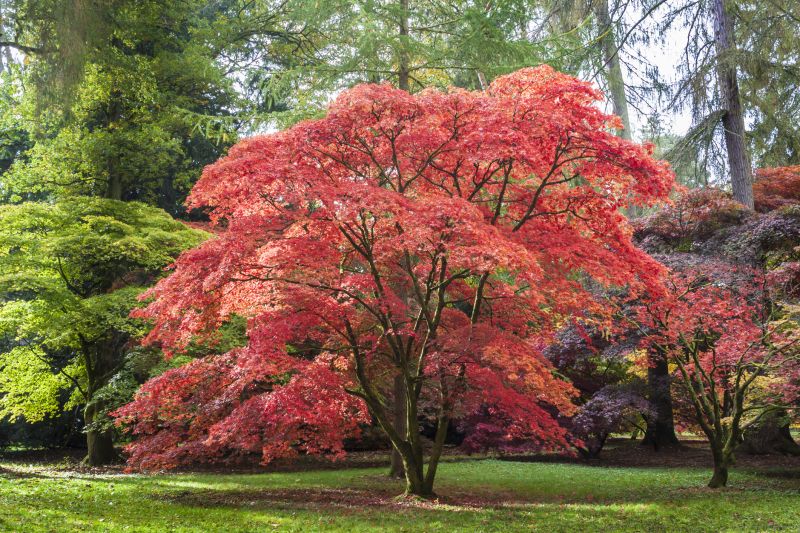
Japanese Maple Pruning in Pottstown, PA
Japanese Maple Pruning services involve carefully trimming and shaping Japanese maple trees to maintain their health, appearance, and structural integrity. These projects often include removing dead or damaged branches, thinning out dense foliage, and shaping the canopy to enhance the tree’s natural form. Homeowners typically request this service to improve their landscape’s aesthetic appeal, promote healthy growth, or prevent potential hazards caused by overgrown branches. It’s important for property owners to understand the specific needs of their Japanese maples, such as the best timing for pruning and the importance of avoiding over-pruning, to ensure the tree remains vibrant and balanced.
Before requesting Japanese Maple Pruning, property owners should consider the age and condition of their trees, as well as their desired outcome for the landscape. Knowing whether the goal is to maintain a particular shape, encourage new growth, or remove problematic limbs can help guide the pruning process. Additionally, understanding that improper pruning can harm the tree’s health or appearance underscores the importance of professional care. Clear communication about the tree’s history and the owner’s expectations can help ensure the pruning work supports the overall health and beauty of the Japanese maples.
Many property owners in Pottstown, PA look into Japanese Maple Pruning for repairs, replacements, upgrades, and appearance-related improvements.
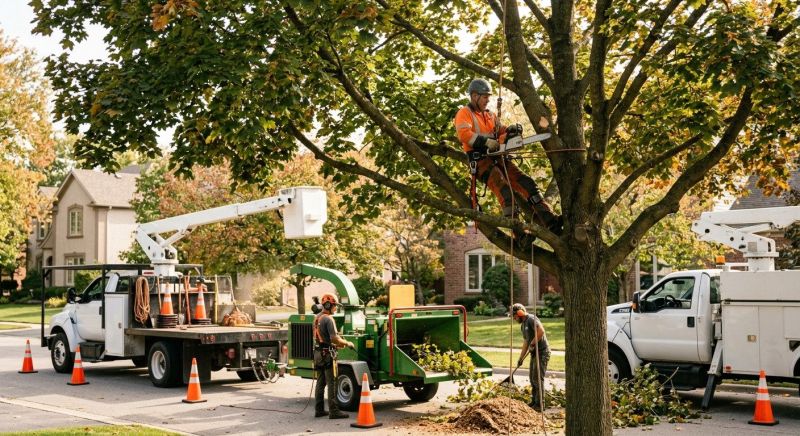
Enhancing Tree Health
Proper pruning promotes the vitality and longevity of japanese maples in pottstown properties.
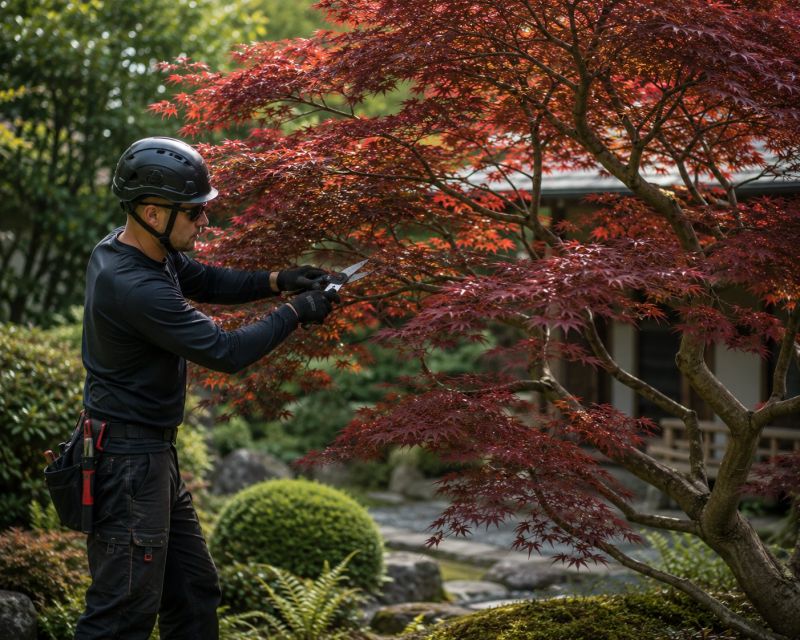
Aesthetic Improvements
Selective trimming helps maintain the desired shape and enhances visual appeal for landscape designs.
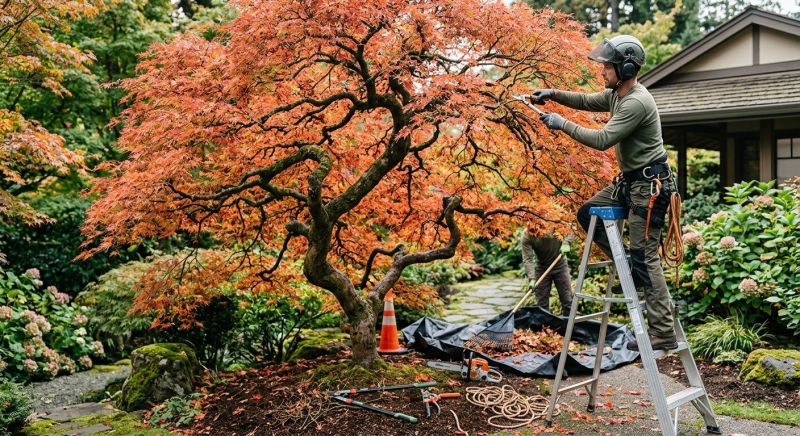
Safety And Clearance
Pruning removes hazardous branches and clears pathways to ensure safety around residential and commercial spaces.
Japanese Maple Pruning in Pottstown, PA
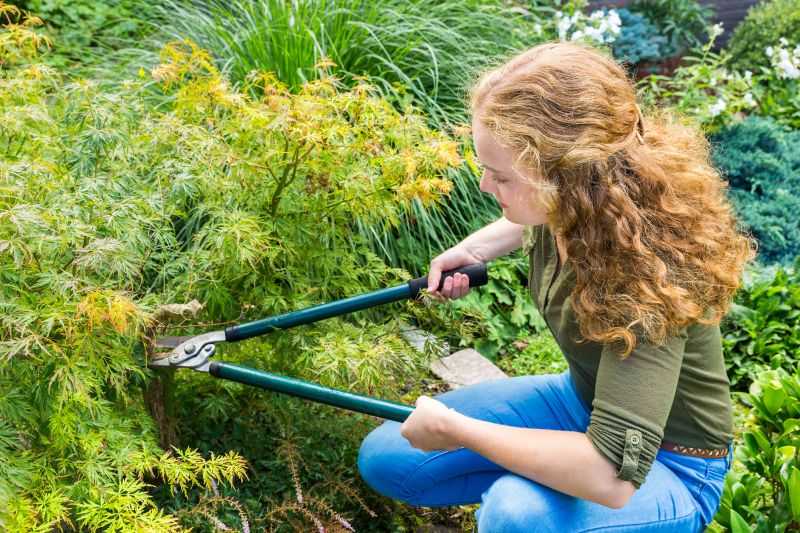
Japanese Maple Pruning services involve carefully trimming and shaping Japanese maple trees to maintain their health, appearance, and structural integrity. These projects often include removing dead or damaged branches, thinning out dense foliage, and shaping the canopy to enhance the tree’s natural form. Homeowners typically request this service to improve their landscape’s aesthetic appeal, promote healthy growth, or prevent potential hazards caused by overgrown branches. It’s important for property owners to understand the specific needs of their Japanese maples, such as the best timing for pruning and the importance of avoiding over-pruning, to ensure the tree remains vibrant and balanced.
Before requesting Japanese Maple Pruning, property owners should consider the age and condition of their trees, as well as their desired outcome for the landscape. Knowing whether the goal is to maintain a particular shape, encourage new growth, or remove problematic limbs can help guide the pruning process. Additionally, understanding that improper pruning can harm the tree’s health or appearance underscores the importance of professional care. Clear communication about the tree’s history and the owner’s expectations can help ensure the pruning work supports the overall health and beauty of the Japanese maples.
Many property owners in Pottstown, PA look into Japanese Maple Pruning for repairs, replacements, upgrades, and appearance-related improvements.
Common Japanese Maple Pruning Jobs
Japanese Maple Pruning Services - Proper pruning enhances the tree’s natural shape and health.
Structural Pruning - Removing crossing or damaged branches to improve stability and growth.
Selective Trimming - Thin out dense foliage to increase light penetration and air circulation.
Shaping and Aesthetics - Maintain the desired form and size of the Japanese maple for visual appeal.
Deadwood Removal - Eliminate dead or diseased branches to promote healthy development.
Seasonal Pruning - Timing pruning work to support growth cycles and seasonal health.
Japanese Maple Pruning Questions
Why is pruning important for Japanese Maples? Proper pruning helps maintain the tree's shape, promotes healthy growth, and enhances its overall appearance.
When is the best time to prune a Japanese Maple? The ideal time for pruning is late winter to early spring before new growth begins.
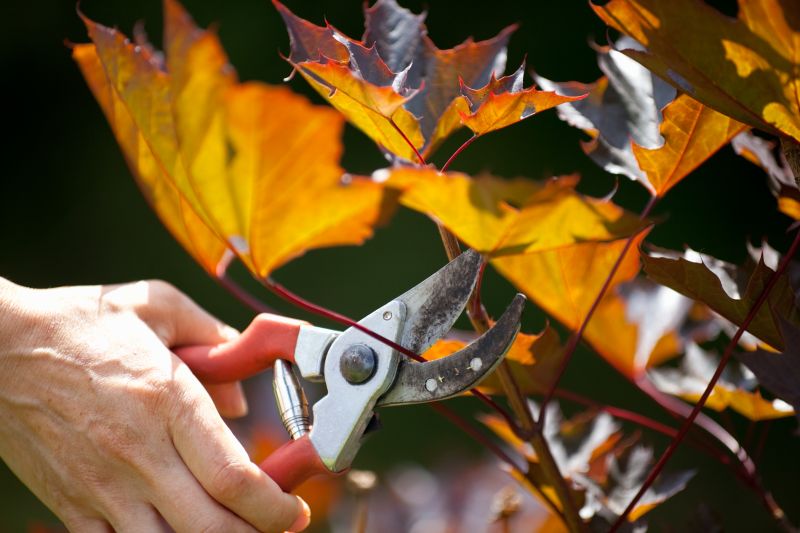
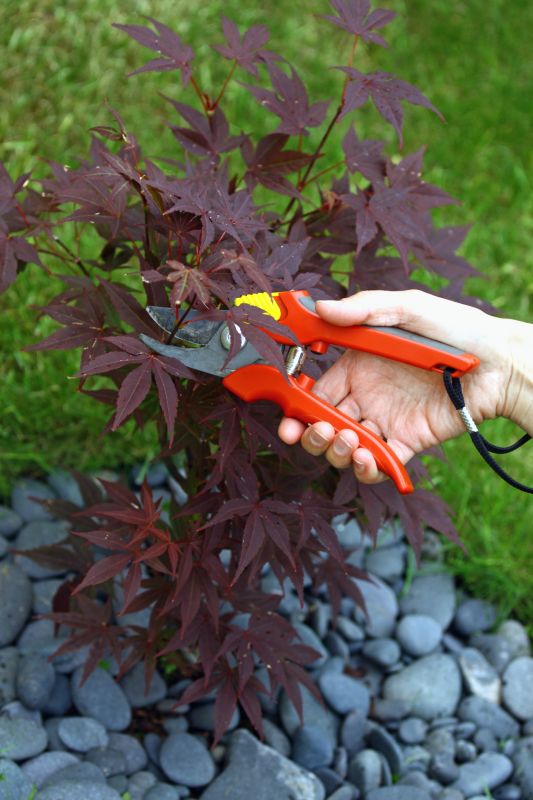
What pruning techniques are recommended for Japanese Maples? Light thinning and selective cutting are used to remove dead or crossing branches and improve air circulation.
Can pruning damage a Japanese Maple? If not done correctly, pruning can harm the tree, so it’s best to follow proper techniques or consult a professional.
Request Japanese Maple Pruning in Pottstown, PA
Use the quote form on this page to share the basics of your project and request more information for the type of work you need.